
Why You Should Incorporate Universal Design Into Your Home
When it comes to home design, there’s a growing trend that’s as functional as it is inclusive—Universal Design. Whether you’re building a new home or renovating an existing one, incorporating Universal Design into your space ensures that your home is accessible and usable by everyone, regardless of age, ability, or mobility. It’s not just about making your home ready for the future—it’s about creating an environment that’s functional for everyone right now.
At Glickman Design Build, we’ve been at the forefront of Universal Design and aging-in-place solutions for years. We know that Universal Design isn’t just about ramps and grab bars—it’s about beautiful, intentional spaces that can adapt to every stage of life. But why should you consider it for your home? Let’s explore!

1. Universal Design Future-Proofs Your Home
One of the most significant advantages of Universal Design is that it future-proofs your home. As you or your family members age, you may encounter new challenges—whether it’s a broken leg from an accident, the use of a wheelchair due to temporary circumstances, or just a desire for convenience in your golden years.
Rather than needing to renovate later, Universal Design principles ensure that your home is ready for life’s changes from the start. Features like wider doorways, step-free entrances, and lever-style door handles are all elements of Universal Design that allow everyone to move around the home easily. You may not need these features today, but having them in place ensures you won’t have to undergo costly renovations in the future.
And the best part? Universal Design doesn’t compromise style. In fact, today’s designs are sleek, modern, and seamlessly integrated into the home’s overall aesthetic.
2. Comfort and Convenience for All
Universal Design isn’t just for individuals with disabilities—it’s for everyone. A home built or renovated with Universal Design in mind provides comfort and convenience for all family members, visitors, and guests.
For example:
- Zero-threshold showers are not only more accessible to someone in a wheelchair but also a more luxurious and convenient option for everyone, from children to adults.
- Pull-down shelves in kitchen cabinets help make cooking easier for people of all heights, while soft-close drawers and cabinets are convenient for everyone.
- Multi-level countertops make meal prep easier whether you’re standing, sitting, or using a mobility aid.
These features may seem small, but together, they make daily life much more comfortable and accessible for everyone in the household.
3. Universal Design Increases Home Value
Another big reason to consider Universal Design? It boosts your home’s resale value. As more and more homebuyers look for properties they can live in for decades, homes with Universal Design elements are becoming highly desirable. By making your home accessible to all potential buyers, you open your property to a larger market, increasing its attractiveness and, potentially, its selling price.
For example, homes with step-free entries, first-floor bedrooms, and curbless showers are not only appealing to aging buyers but also to younger families who are thinking about long-term living. By incorporating Universal Design features now, you can save potential buyers the trouble of needing to renovate down the road, making your home more appealing and marketable.
4. Safety Without Sacrificing Style
When we talk about Universal Design, we often think of safety features like grab bars and non-slip flooring, which may conjure up images of institutional or medical-looking spaces. But that’s far from the case. Today’s designs focus on safety without sacrificing style.
For example:
- Motion-sensor lighting provides added security and ease when moving through the home, but it also adds a sleek, high-tech feel to your space.
- Lever handles on doors and faucets are easier to use than traditional knobs, but they come in a range of stylish designs that complement any home decor.
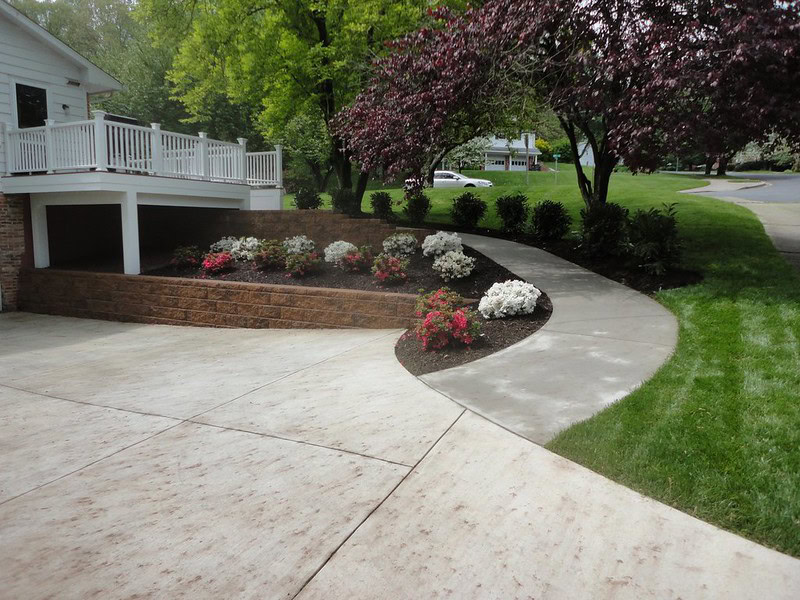
- No-step entries can be beautifully integrated with landscaping to create an elegant, inviting entrance to your home.
Safety features can blend seamlessly into your home’s aesthetic, adding both functionality and style to the space. It’s about creating a beautiful, cohesive design that works for everyone in the household, without making it look like an afterthought.
5. Enhancing Independence
Universal Design is empowering because it allows people to live independently in their homes for longer. Whether it’s ensuring that someone can navigate the kitchen with ease or offering a shower that’s safe for everyone, these features are all about preserving independence.
For instance:
- Roll-under sinks in the bathroom and kitchen allow wheelchair users to access these areas easily, while still offering the same functionality and beauty for everyone.
- Touchless faucets are not only a great convenience for those with limited hand strength, but they also offer added hygiene for every member of the household.
- Stairlifts or even home elevators can be integrated into the design of multi-level homes, allowing for ease of movement between floors without the worry of using stairs.
By enhancing independence, Universal Design improves quality of life for everyone in the household.
Glickman: Your Expert in Universal Design
At Glickman Design Build, we are proud to be recognized leaders in Universal Design and aging-in-place solutions. With decades of experience, we specialize in creating beautiful, functional spaces that work for everyone, regardless of age or ability. Whether you’re looking to remodel your entire home or make small upgrades to make it more accessible, our expert team will guide you through every step of the process.
We focus on creating designs that are stylish, practical, and future-proof, so you can enjoy your home for years to come. From assessing your current space to developing a thoughtful design that integrates Universal Design principles, we’re here to help make your home truly inclusive and adaptable.
Ready to Make Your Home Universal?
This isn’t just a trend—it’s the future of home building and remodeling. It’s about creating a space that’s accessible, safe, and beautiful for everyone. And with Glickman Design Build, you can rest assured that your home will be designed and remodeled by the experts.
Contact us today to start a conversation about incorporating Universal Design into your home, and let’s create a space that’s functional, beautiful, and built for everyone. We look forward to working with you!